
In the course of the last few years, the selection of plant-based options has expanded tremendously both on supermarket shelves and in dining outlets. Driven mainly by younger generations, there is a rising interest among consumers in reducing or eliminating animal-based food from their diet.
Innova, 2022
Innova, 2022
Innova, 2022
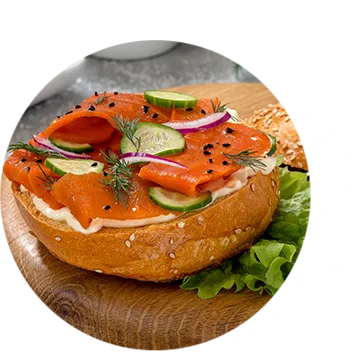
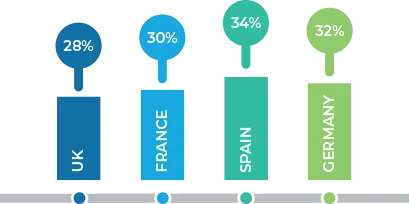
As part of the planetary health concerns, the impact of food products on the environment is playing a growing role in the purchase decision. For example, 29% of UK consumers reported stopping eating fish/shellfish due to sustainability concerns. Consumers look out for products that can help them make more sustainable choices. As a result of the changing consumer preferences and behavior, one of the most recent and emerging categories is plant-based fish alternatives.
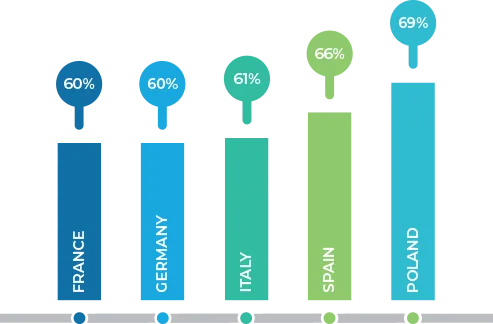
Mintel, 2022
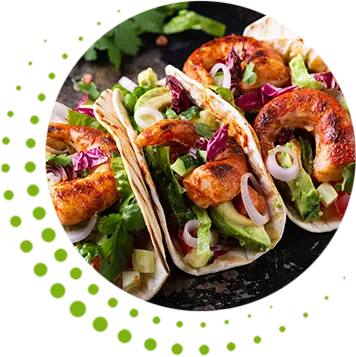
Understanding the role of consumer’s senses in taste perception is crucial when plant-based fish aims to mimic the experience of animal protein. Developing fish alternatives with a fish-like sensory profile is essential to make products appealing to not only to vegan or vegetarian consumers, but also to those following a flexitarian diet. Natural solutions play a key role in creating an authentic look while meeting consumers’ growing interest in natural and simple ingredient lists.
In this 30-minute webinar, you will discover what types of fish analogues consumers are most interested in, and how natural solutions can benefit fish and seafood alternatives to appeal to a wide range of consumers, from vegans to flexitarians:
Discover the value of colour and a range of natural solutions in other plant-based alternatives like meat or dairy analogues here.