Charys de Beer
Confectionery Charys de Beer

Sweet Evolution: Trends and Innovations in South Africa’s 2026 Confectionery Market

The confectionery industry stands at a pivotal moment as we enter 2026, with manufacturers facing evolving consumer preferences, regulatory changes, and exciting innovation opportunities.

For South African confectionery manufacturers, understanding these trends and preparing for upcoming challenges—particularly the shift toward natural colours—will be crucial for maintaining competitive advantage and meeting consumer expectations.

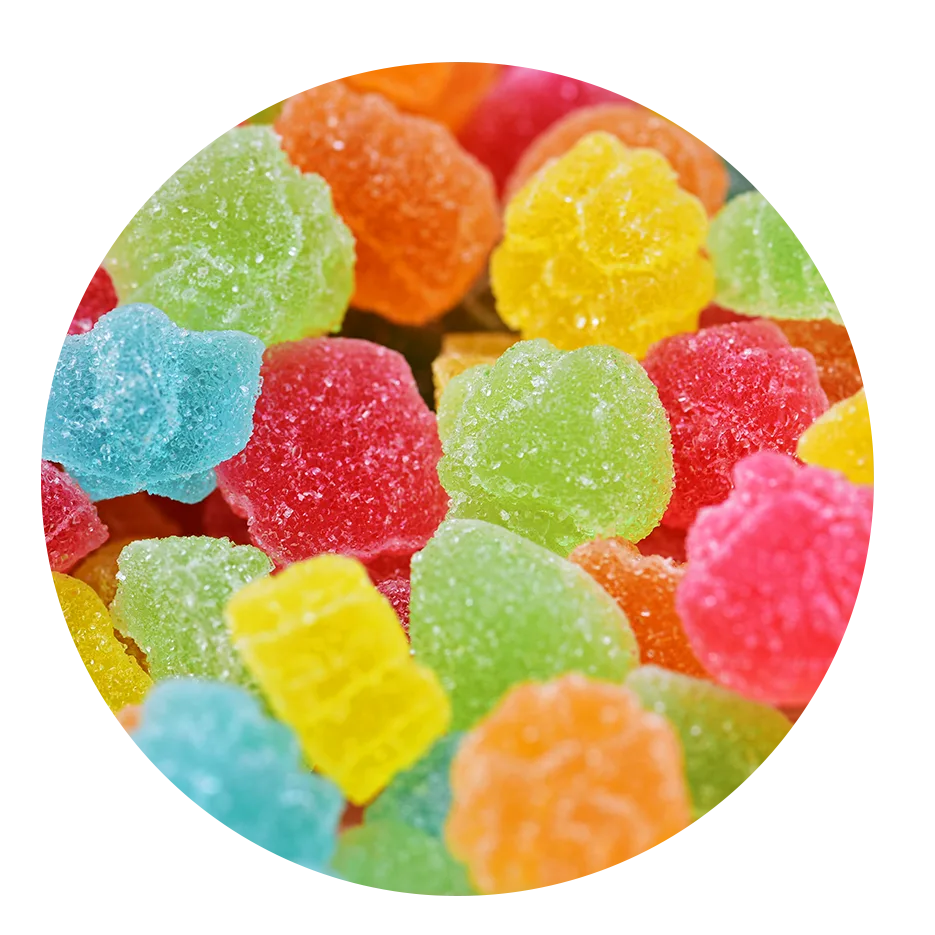
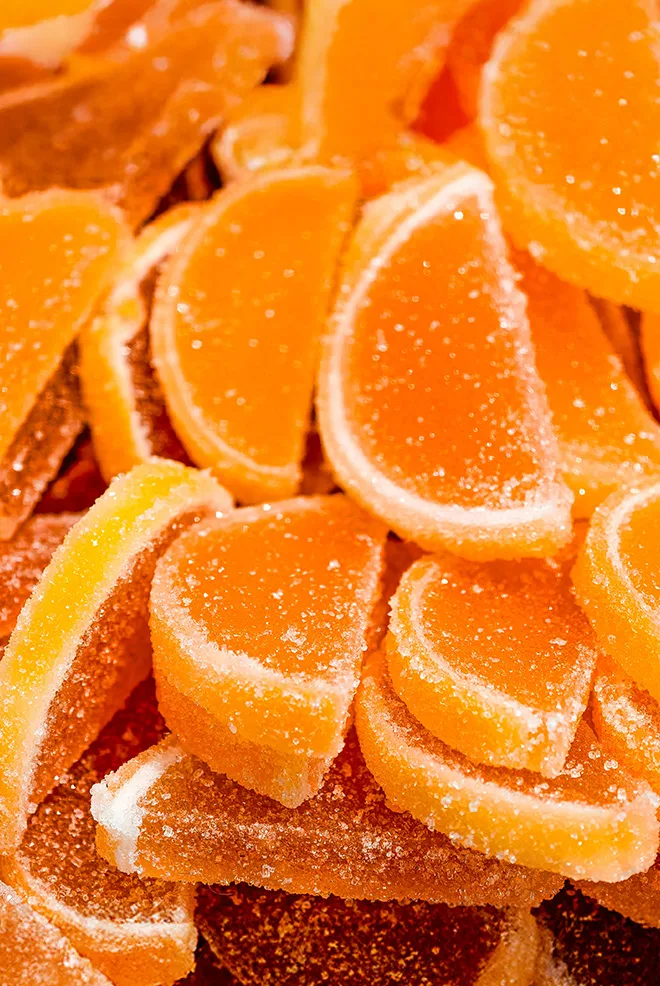
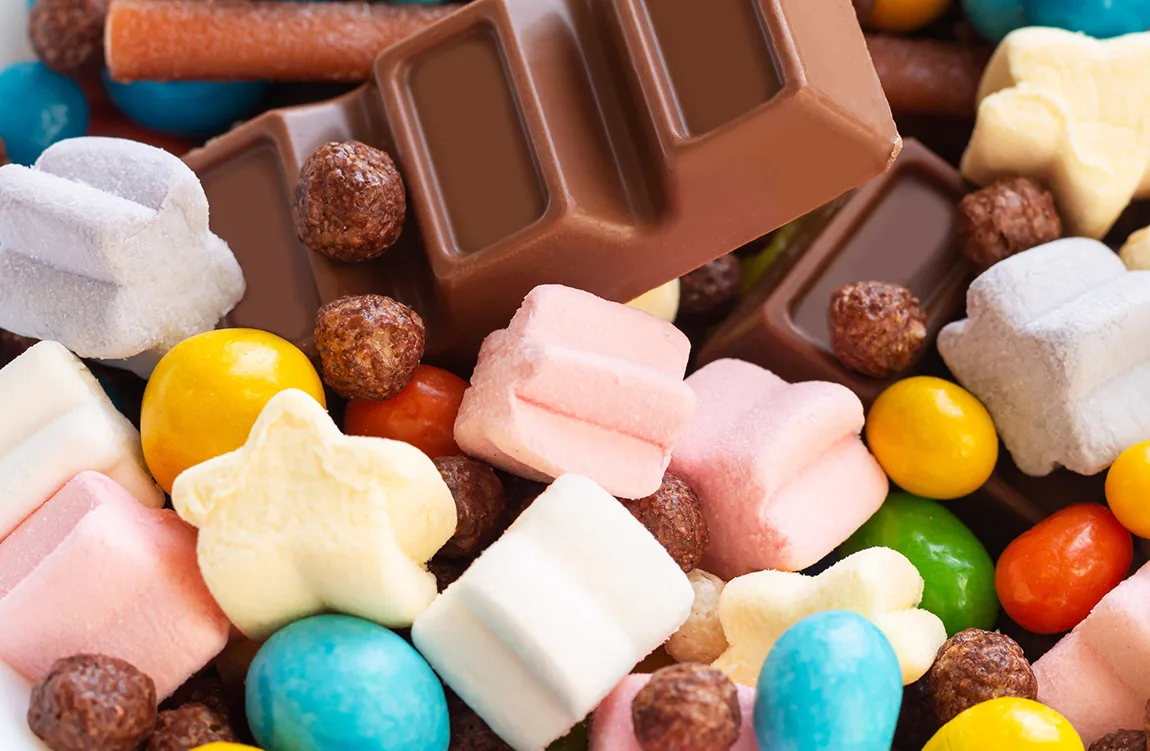
close up of multiple confectionary candies
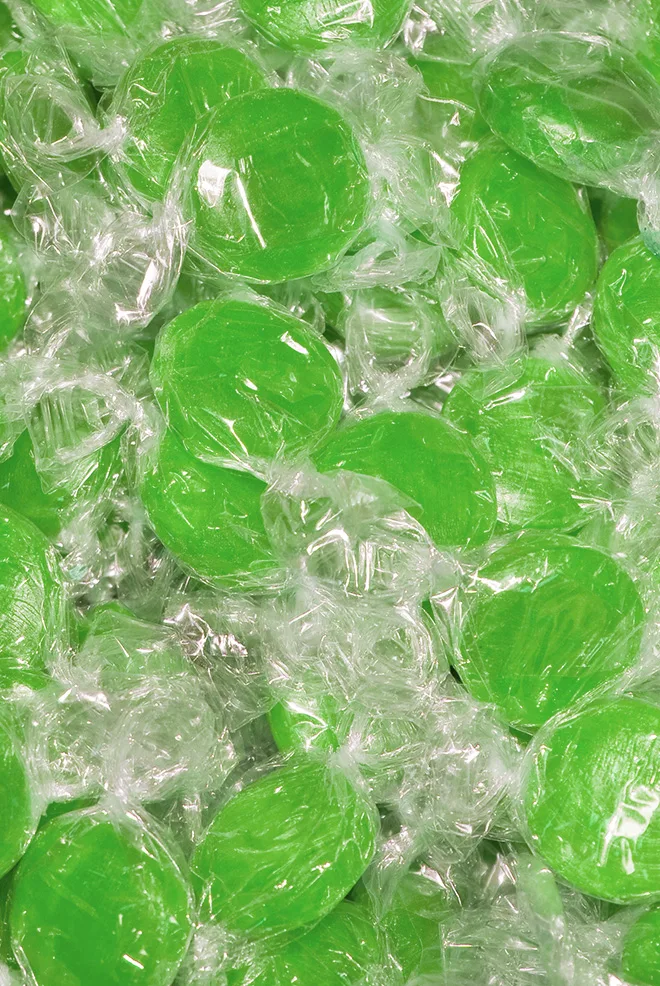
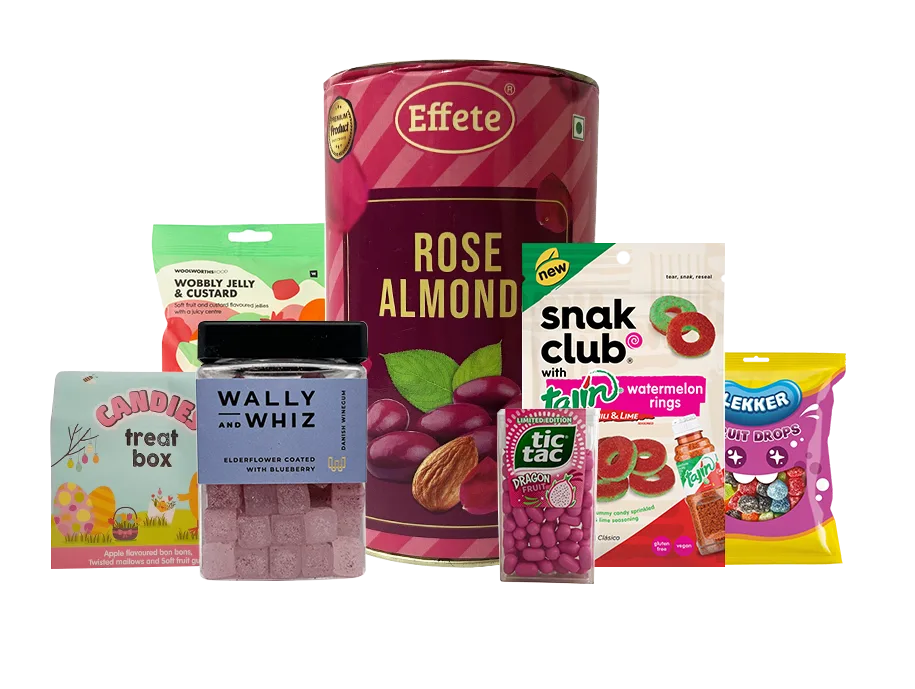
assortment of confectionary products

Flavour Trends Shaping 2026 Confectionery Innovation

1. Tropical and Exotic Fruit Flavours

The confectionery industry is experiencing a surge in demand for tropical and exotic fruit flavours, with pineapple leading the charge as a standout trend for 2026². Consumer preference data shows that pineapple flavour aligns perfectly with the growing desire for authentic, vibrant taste experiences that transport consumers to tropical destinations³. This trend reflects a broader consumer shift toward flavours that offer escapism and premium sensory experiences.

Manufacturers are capitalizing on this trend by incorporating not just pineapple, but also passion fruit, dragon fruit, and lychee into their product portfolios. These flavours work particularly well in gummy formats, where the bright, acidic notes can be balanced with sweetness to create compelling taste profiles.

2. Nostalgic and Comfort Flavours

The “comfort food” movement continues to influence confectionery, with consumers seeking familiar flavours that evoke positive memories and emotional connections². Classic flavours like vanilla, caramel, and traditional fruit combinations are being reimagined with modern twists. This trend is particularly relevant in the South African market, where consumers “remain loyal to familiar favourites, balancing novelty with nostalgia”¹.

Manufacturers are finding success by taking beloved childhood flavours and elevating them through premium ingredients, unique textures, or innovative delivery formats. This approach allows brands to tap into emotional purchasing drivers while still offering something new and exciting.

3. Botanical and Floral Notes

Sophisticated consumers are driving demand for more complex flavour profiles that incorporate botanical and floral elements². Flavours like elderflower, lavender, and hibiscus are making their way into premium confectionery lines, offering adult consumers more refined taste experiences.

This trend aligns with the broader wellness movement, as many botanical flavours are associated with natural health benefits and artisanal quality. For manufacturers, these flavours present opportunities to create premium product lines that command higher price points.

4. Spicy and Heat Elements

The incorporation of spicy elements into sweet confectionery continues to gain momentum, with flavours like chili-lime, ginger, and even jalapeño finding their way into gummies, hard candies, and chocolate products². This trend appeals to adventurous consumers seeking bold, unexpected flavour combinations that provide a multi-sensory experience.

5. Functional Flavour Integration

As evidenced by the strong performance of medicated confectionery in South Africa¹, consumers increasingly expect their treats to offer functional benefits. Flavours that naturally align with wellness positioning—such as ginger for digestive health, elderberry for immune support, or mint for freshness—are becoming increasingly important in product development².

The Colour Revolution: Preparing for Natural Colour Conversion

The Importance of Colour in Confectionery

Colour plays a fundamental role in confectionery appeal and consumer purchasing decisions. Research shows that colour is often the first sensory attribute consumers notice, significantly impacting their perception of flavour, quality, and overall product appeal⁴. In confectionery specifically, bright, vibrant colours create excitement, trigger impulse purchases, and help establish brand recognition on crowded retail shelves.

The psychological impact of colour cannot be understated—consumers often taste with their eyes first, and the right colour can enhance perceived flavour intensity and enjoyment. This makes colour selection a critical component of successful confectionery innovation.

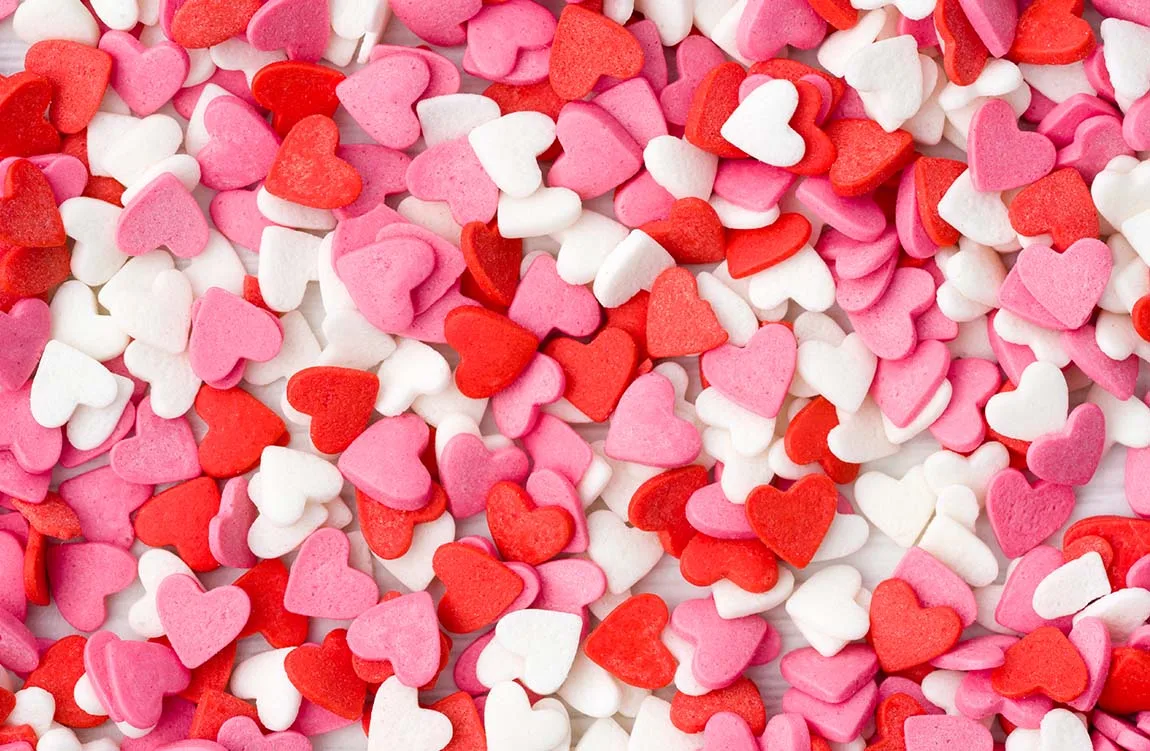
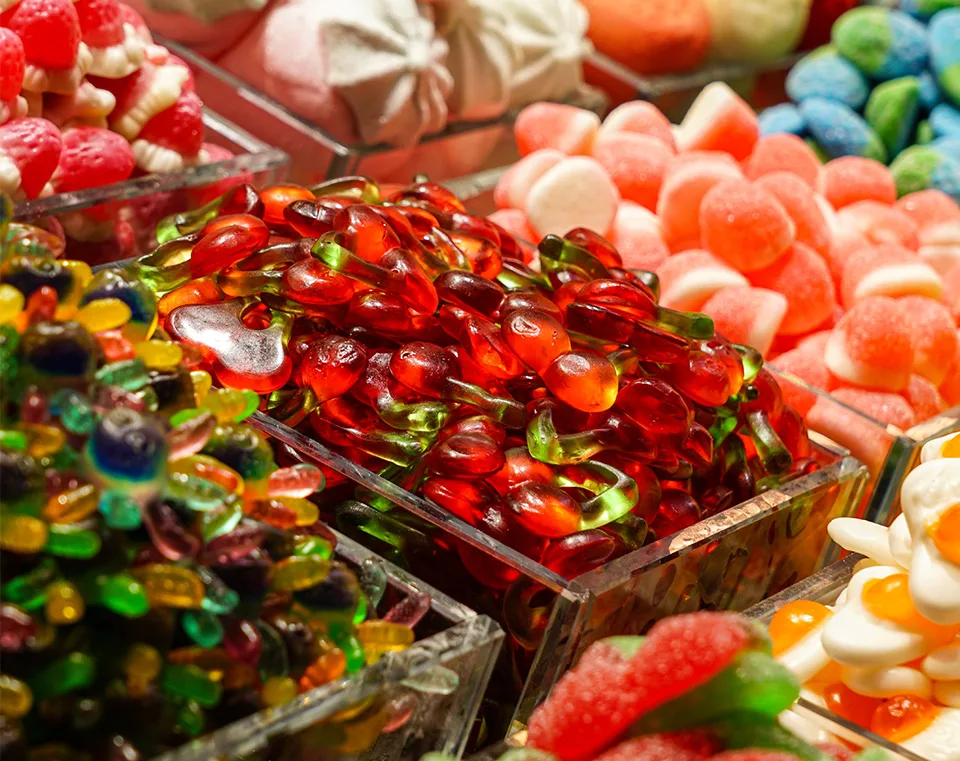
close up, multicolored candy

Key Considerations for Natural Colour Conversion

Stability and Performance Factors
Cost and Supply Chain Implications
Regulatory Compliance Across Markets
Consumer Communication and Marketing
Technical Expertise and Partnership
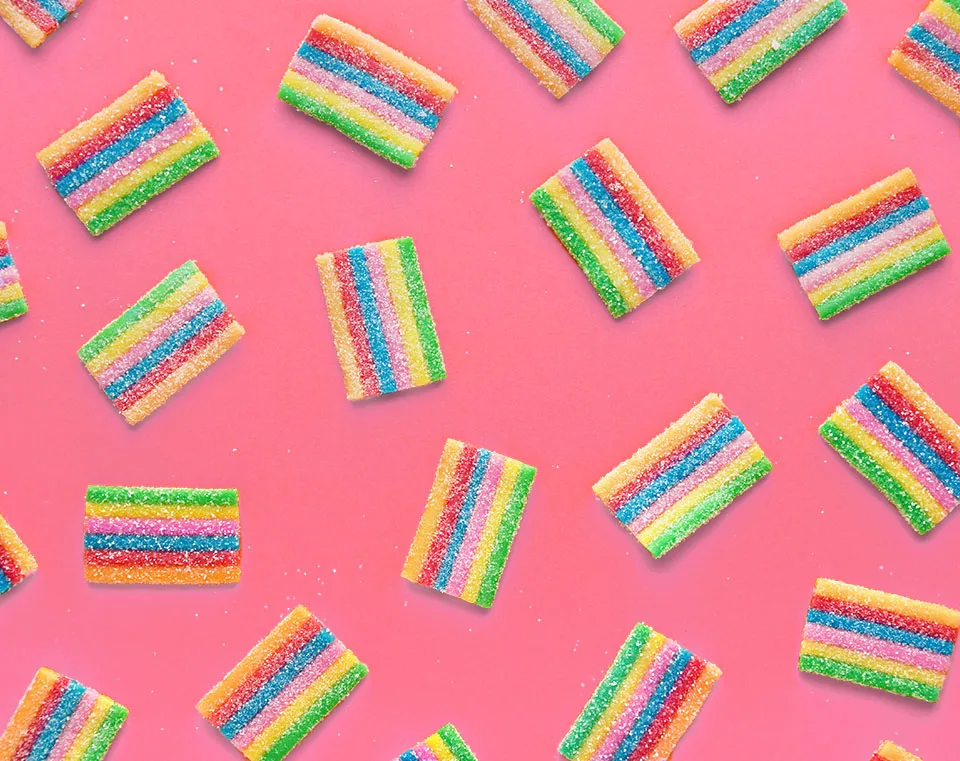
sour gummy candy

Key areas of opportunity include:

Healthy Gummies
Premium gummies and jelly candy
Portion Controlled Candies
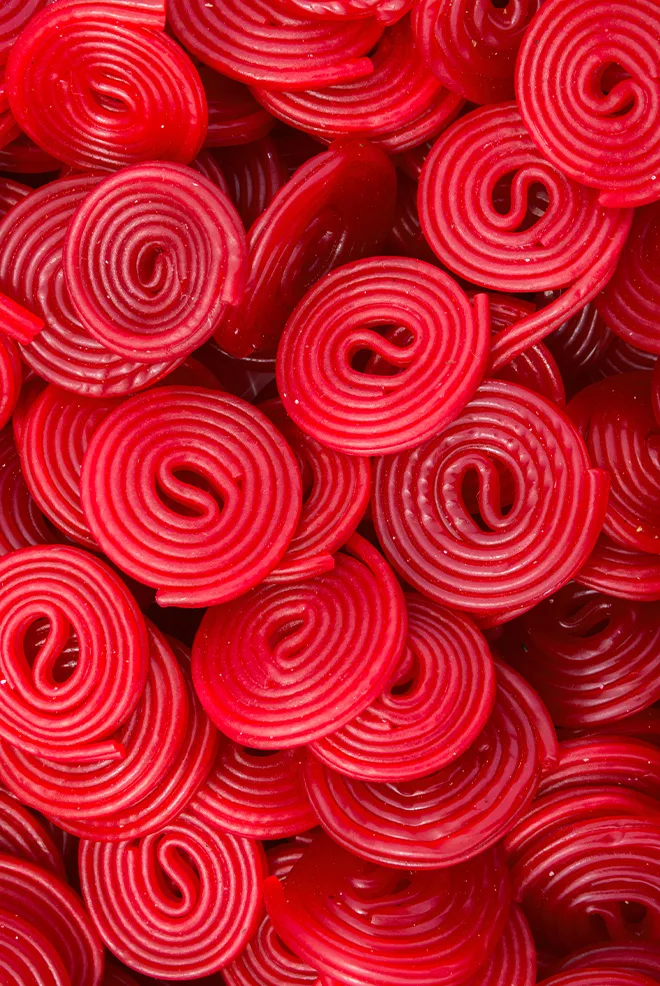
Nostalgic candy, red licorice
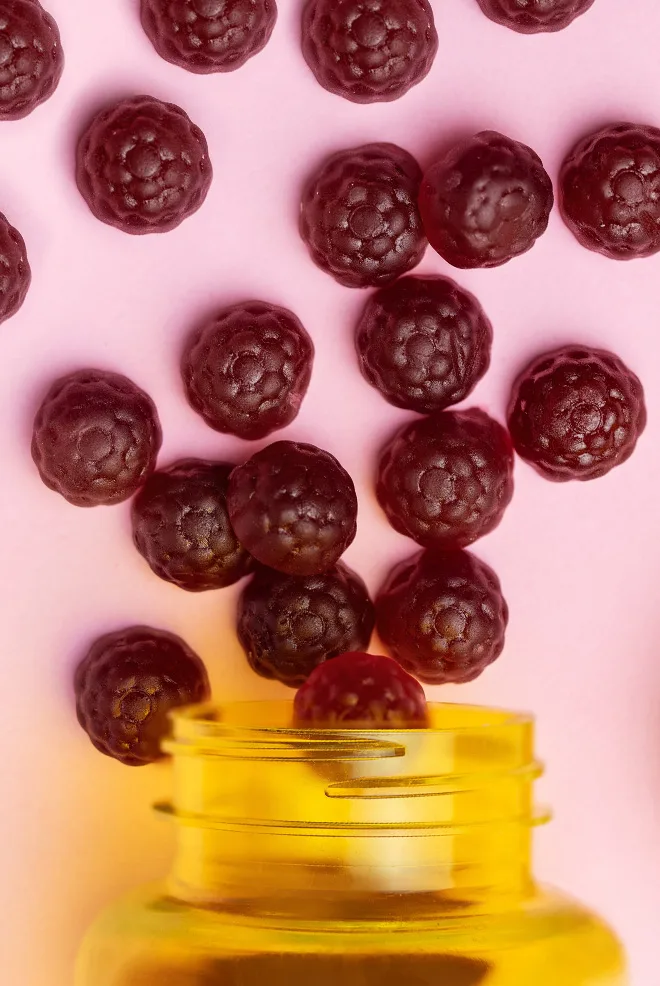
vibrant confectionary candy

Ready to transform your confectionery innovation strategy for 2026?

Contact our team of confectionery specialists to schedule a consultation. We’ll help you navigate natural colour conversion challenges, bring trending flavours to life, and develop products that meet both regulatory requirements and consumer expectations in the evolving South African market.

Request a Consult Today!

References:

1. Euromonitor International. (2025). Sugar Confectionery in South Africa – Analysis. Country Report.

2. Confectionery News. (2025). Top 5 confectionery flavour trends for 2026.

3. Confectionery News. (2025). 2026 confectionery trends show pineapple flavour aligns with consumer preference.

4. Sensient Food Colours. Sweet Guide to Natural Colour for Confectionery.

5. Sensient Food Colours. Walmart announces removal of synthetic dyes by 2027.

6. Sensient Food Colours. Converting food and beverages to natural colours.

7. Sensient Food Colours. Conversion looms as regulatory dominoes continue to fall.

Subscribe for the latest colourful insights!

Sign Up
Request a sample