Lisa Ulbricht
Bakery Lisa Ulbricht

Bake-Stable Food Colouring and Flavours for Your Baking Needs

The bakery world is changing.

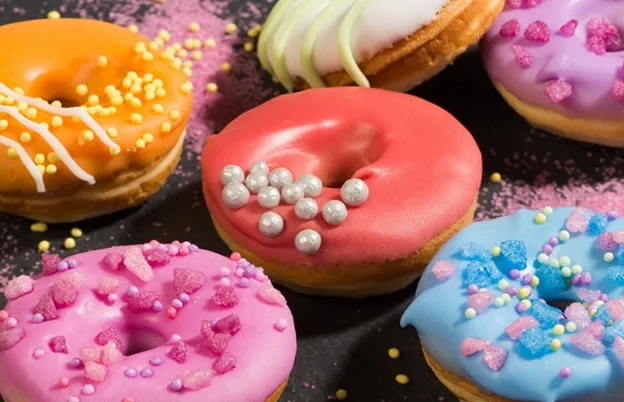
Bold colours like blues and purples—once rare in baked goods—are now in demand as consumers look to share their food experiences on social media. Bakeries need vibrant colours and lasting flavours to stand out in the age where every bite can become a post.

As manufacturers adapt to consumer preferences, producing these at an industrial scale has its own challenge: many flavours and colours struggle to survive high baking temperatures.

Let’s explore why that happens—and how bake-stable food colours and flavours can help you create baked goods that are both stunning and delicious.
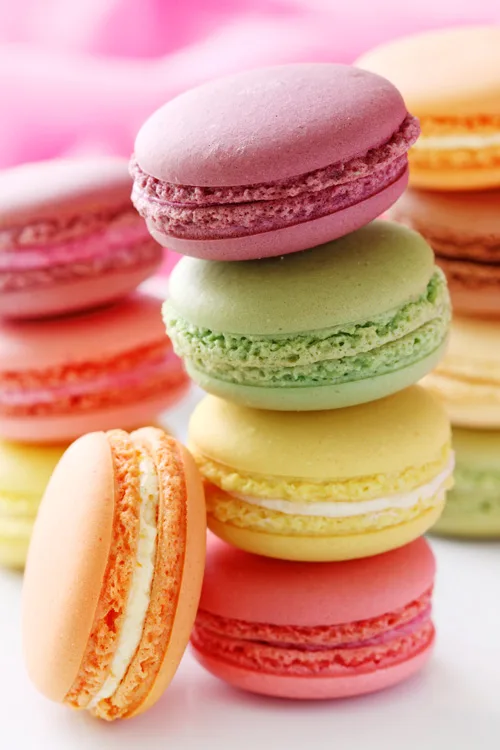
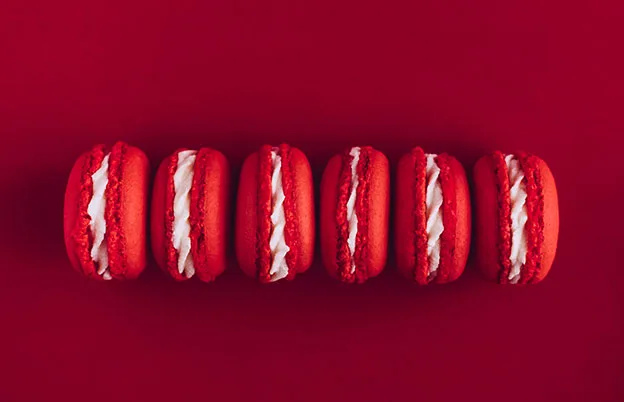
colorful macarons

What are Bake-Stable Food Colours and Flavours?

Knowing how high heat affects these ingredients, using regular versions may not be the best option in bakery. Bake-stable flavours and colours are specially designed to retain their intensity and vibrancy when exposed to extreme heat.

Hence, significant flavour loss and discolouration are highly minimized in the finished product. This ensures your cakes and biscuits taste as good as they look, both before and after they enter the oven.

purple cake

How to Choose the Right Bake-Stable Food Colour and Flavour

Baked goods come in various types and have different components. On top of that, achieving the target sensorial attributes (e.g. taste, texture and appearance) is important for commercial brands to match consumer expectation. With all these factors combined, finding the best option for specific applications can be overwhelming for an industrial baker. When selecting bake-stable flavours and colours, here are some key areas you can consider:

Target Shades and Flavours Having a clear picture of how your wafers or pastries will look like along with the desired flavour profile is foundational to your recipe development. As some baked sweets’ characteristics are more complex than others, tailored blends can hit the sweet spot in terms of flavour depth, shade, stability, and cost-in-use while matching your finished product goals. Checking for reactions with other bakery ingredients and equipment is key to selecting the right option to formulate.
Solubility Apart from heat stability, ensuring solubility is compatible with your base is a critical consideration to prevent issues like colour bleed and bland spots post-bake. While water soluble ingredients are best applied in high moisture applications (e.g. cakes and muffins), oil soluble versions are ideal for biscuits or fat-rich doughs as these are lower in moisture.
Processing Conditions and Compatibility Temperature, time, pH, processing and leavening methods can directly influence how ingredients behave during baking. All these will determine the best flavours and colours to use. For instance, acidic batters may not only distort certain flavours but using pH sensitive colours such as anthocyanins could dramatically shift its shade. Moreover, crackers requiring short baking time in high heat will demand flavours and colours with a quick release as opposed to cookies that are exposed in the oven longer. Hence, bake-stable options that have been subjected under these parameters can simplify the selection process. In addition, knowing your options are compatible to the industrial baking process is important. This reduces R&D rework as these ingredients are guaranteed to perform consistently under real production conditions.
Labeling Goals Whether you’re after clean label or Halal, these claims must be laid out early in the planning process. This can guide your suppliers in recommending options that are suitable to your product positioning and target consumers while being compliant with local regulations.
Packaging and Storage Conditions The packaging of your final product and how they’ll be stored in retail will also determine the most suitable colour and flavour to use. As many bakery ingredients are sensitive to light and have moisture migration tendencies, it’s important for baked sweets to maintain their vibrancy and flavour intensity throughout their expected shelf life. Also, suppliers must ensure that the ingredients offered have good shelf-life stability to avoid degradation during storage.

Summing it up, choosing the right flavour or colour depends on what your final product needs. No matter what you’re creating, having bake-stable options gives you much more control over the final look and taste. That’s why our experts in Sensient have done the difficult work of curating an extensive list of colours and flavours that are guaranteed to perform well in any baked good.

sensibake

Bake Sensibly with SensiBake™

At Sensient, we’ve made the choice simpler with SensiBake™—a carefully developed range of bake-stable colours and flavours that can withstand the demands of industrial baking and storage conditions. Tried and tested across various applications, any industrial baker can create delicious, stunning and consistent commercial products with ease.

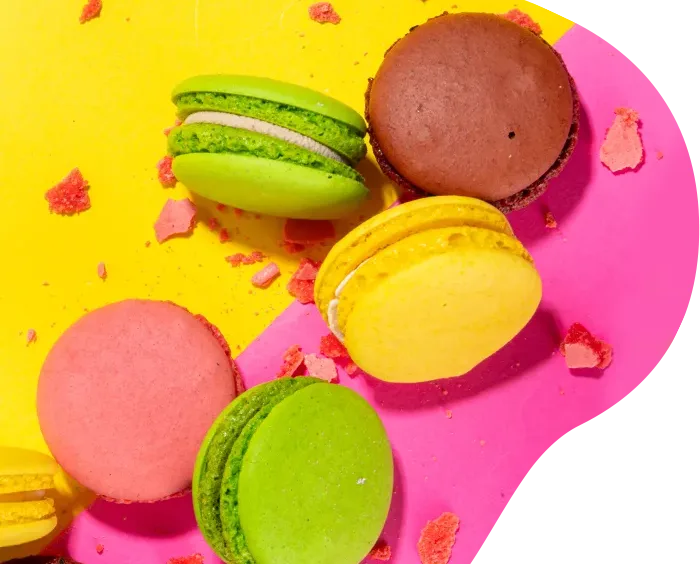
bake stable colors

Ready to bring your next creation to life?

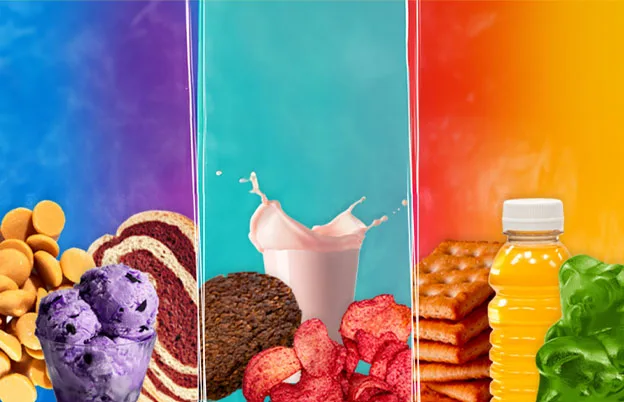
From a bold, bake-stable red velvet cake, buttery yellow cookies to deep purple ube filled buns, we’ve got a rainbow of heat stable colours and flavour options to take your innovation at the next level.


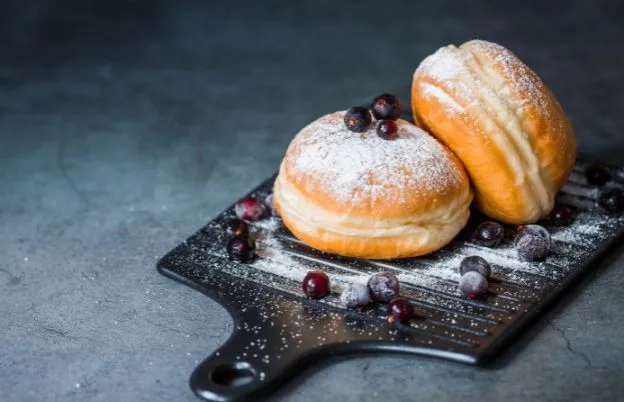
sweet baked goods

Are you working on your next signature product? Or do you need technical advice in formulating your recipe?

Consult with our team of bakery experts. Request a sample today to get started!

Subscribe for the latest colourful insights!

Sign Up
Request a sample